
This is our blog with all of our tips and tricks! We have so many that we decided to put them on paper (well digitally). Please use this as a resource to help you start your design process. If you need any additional help, please don't hesitate to reach out.
categories:
welcome to our
home.
Remodel
Design
Shutters
Tips & tricks
Key Takeaways
- Wood shutters offer superior strength, longevity, and architectural appeal in most areas of the home.
- Composite shutters resist moisture and perform well in high-humidity environments like showers.
- Houston heat and humidity make material choice especially important.
- The best material depends on location, exposure, and long-term goals.
If you are comparing composite wood shutters vs wood shutters, you are likely trying to decide which material will last longer, resist warping, and perform best in Houston or Sugar Land. This guide explains the real differences between the two and helps you determine which option fits your home.
If you are still weighing alternatives, our comparison of Shutters vs Blinds outlines durability, maintenance, and long-term value differences to help you decide.
What Are Wood Shutters?
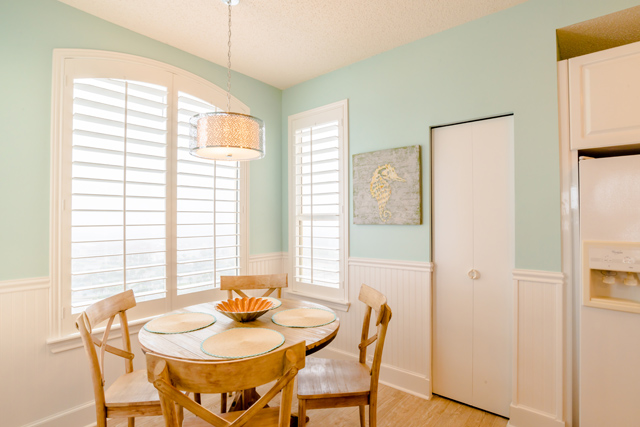
Wood shutters are crafted from natural hardwood species. Manufacturers often use basswood, poplar, or other hardwoods for interior use. For exterior applications, higher-grade woods such as mahogany provide greater durability.
Wood shutters feel solid and architectural. They add depth and permanence to a space and typically hold paint finishes beautifully.
High-quality wood shutters also allow for custom sizing and detailing that can elevate both traditional and transitional Houston homes.
What Are Composite Wood Shutters?
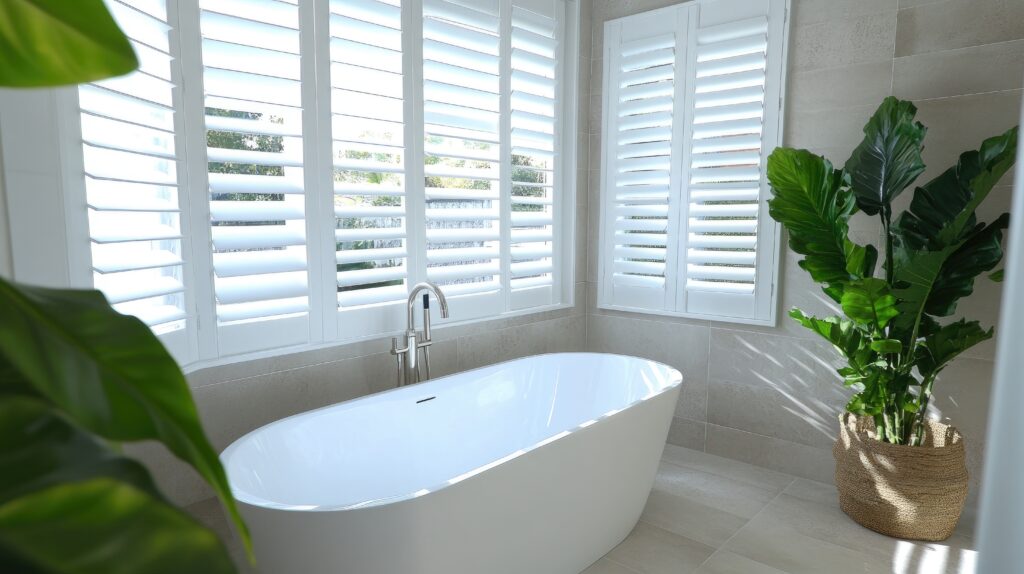
Composite shutters use engineered materials that combine wood fibers with synthetic binders. These materials resist moisture better than untreated wood.
Many homeowners choose composite shutters in bathrooms or humid spaces because they tolerate water exposure more easily. If the shutters are not installed directly inside a shower enclosure, properly finished wood shutters remain highly durable.
Composite materials typically carry more weight and can feel slightly less refined than real hardwood, but they provide durability in the right settings.
Design resources such as HGTV often explain that composite materials work well in moisture-prone areas where traditional wood might struggle.
HGTV
Beyond material performance, clients often ask about overall design relevance, which we explore in Are Plantation Shutters Still in Style.
Durability in Houston and Sugar Land
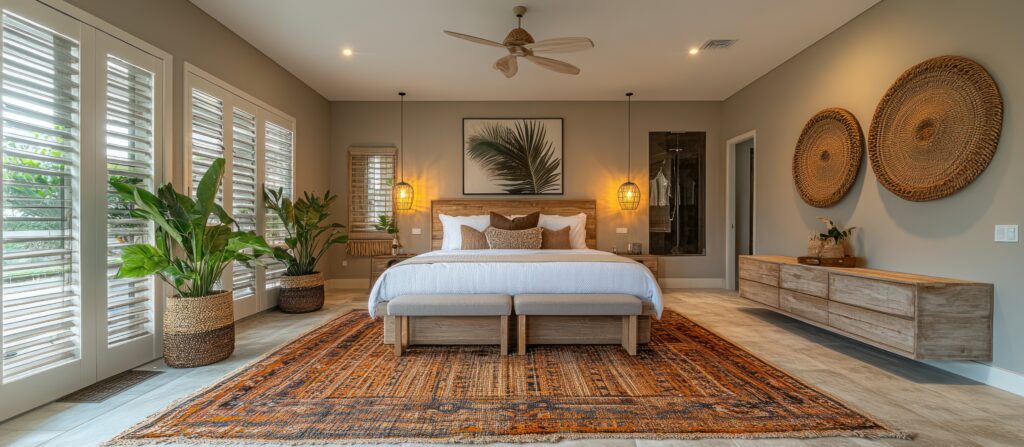
Houston’s climate plays a major role in material selection.
Heat, humidity, and direct sunlight affect how shutters age over time. Poor-quality wood can warp, and lower-grade composite materials can expand or crack.
In our installation experience, properly sealed hardwood shutters perform extremely well throughout most interior spaces. Paint quality and finish matter just as much as the wood species.
For exterior shutters, selecting the correct wood species and finish becomes even more important. We often recommend solid mahogany with a marine-grade finish when exposure to rain and sun is significant.
The U.S. Department of Energy also notes that properly selected window coverings can help reduce heat gain in warm climates, which makes durability especially important in Texas homes.
U.S. Department of Energy
Warping and Moisture Concerns
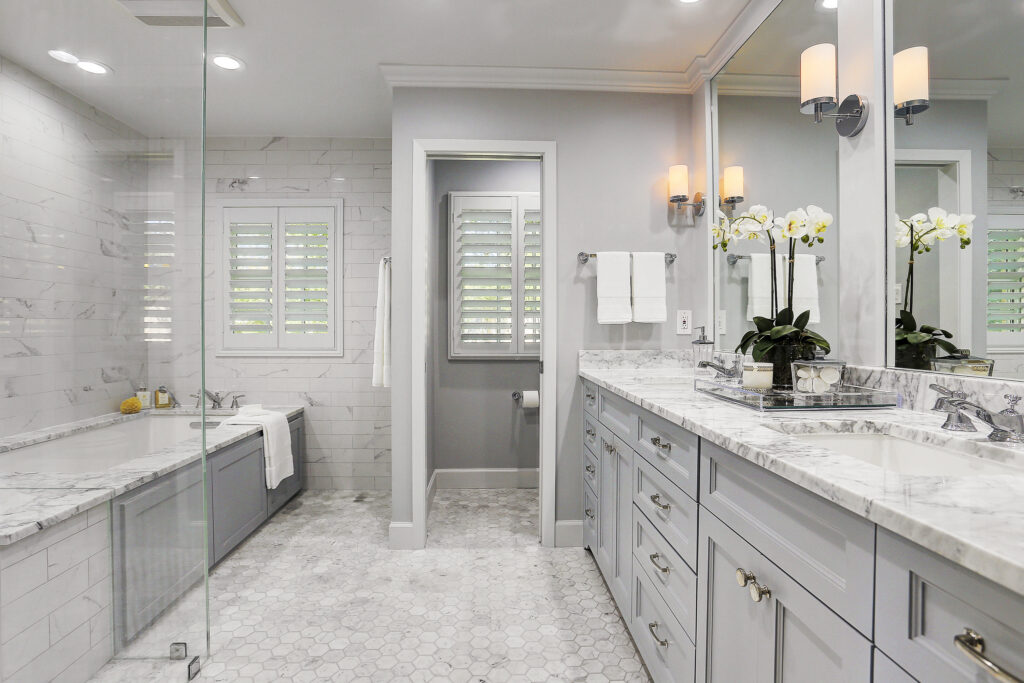
Many homeowners worry that wood will warp in humid climates.
High-quality hardwood shutters that receive proper sealing and finishing rarely experience major warping indoors. In bathrooms, wood typically performs well unless it sits directly inside a shower enclosure.
Inside showers, I recommend composite materials. Continuous direct water exposure can shorten the lifespan of painted hardwood.
In standard bathrooms with normal ventilation, wood shutters work beautifully.
The key is matching the material to the environment.
For homeowners looking for locally fabricated options, our overview of Houston Shutters highlights how custom materials perform in our heat and humidity.
Appearance and Architectural Impact
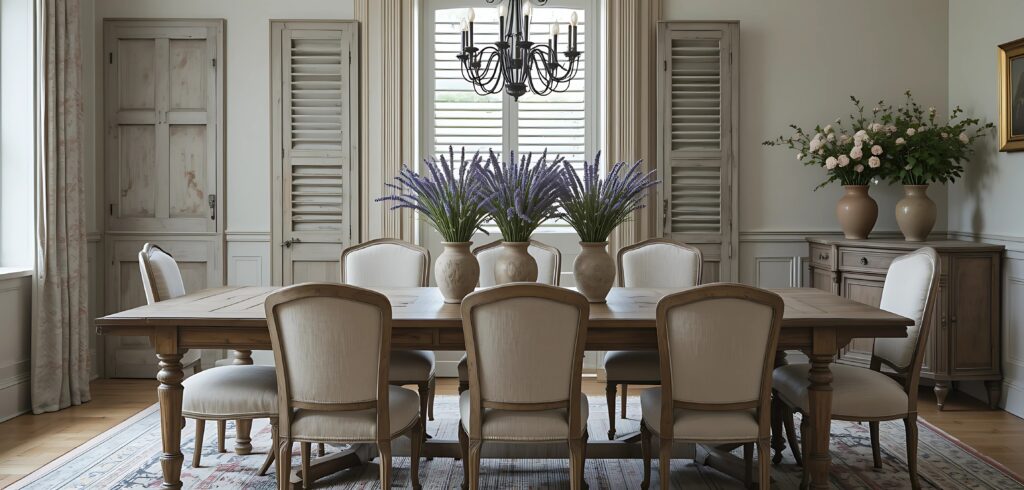
Wood shutters offer a richer, more authentic look. They feel like part of the architecture rather than an add-on.
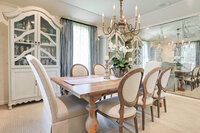
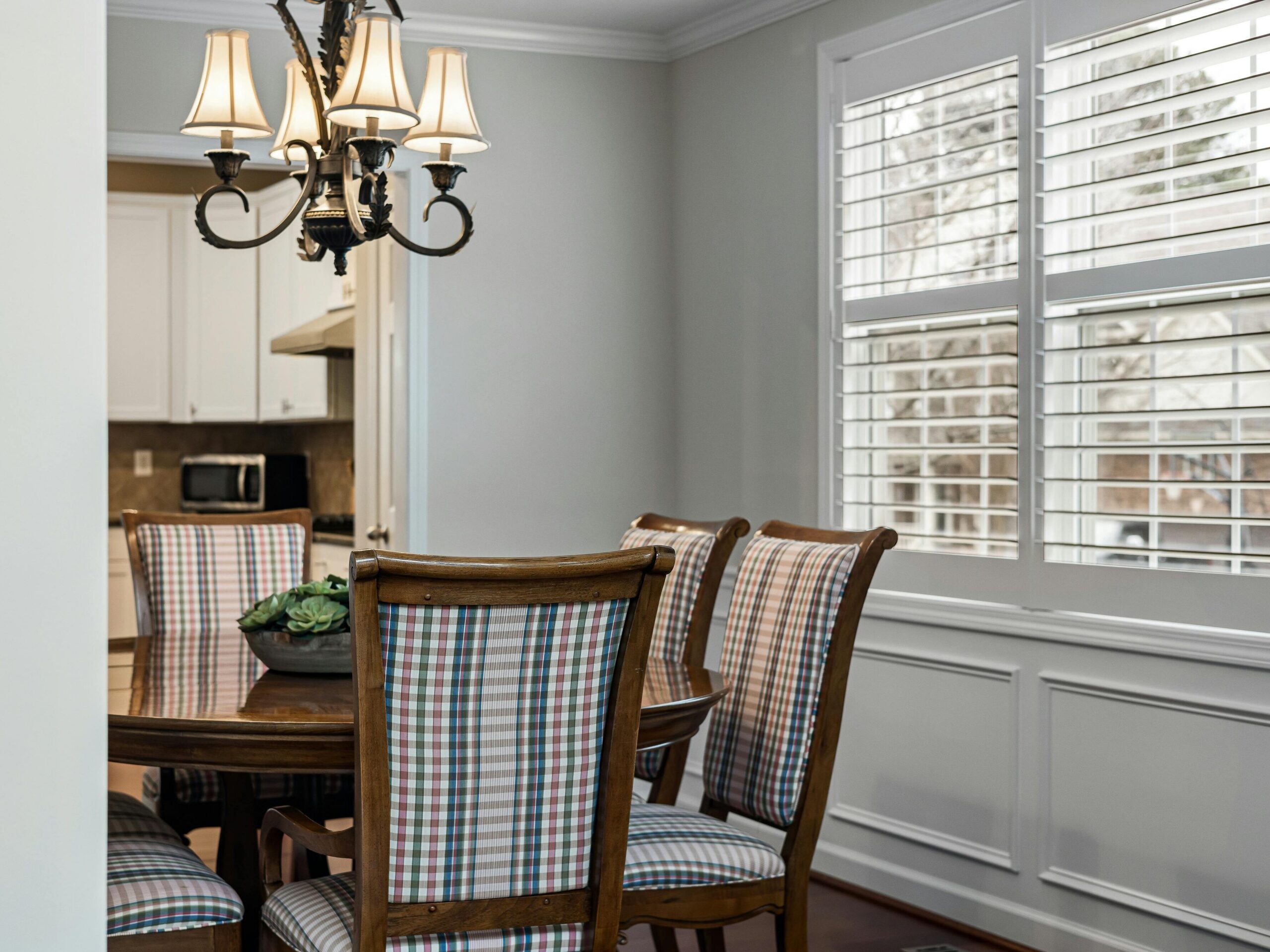
In this photo, we used the shutters to serve both as a functional window treatment and as an architectural element that enhances the overall design of the space. The architectural shutters in the dining room were carefully distressed for a vintage finish, adding depth and character while reinforcing the intentionally curated design of the space.
Composite shutters serve a practical purpose, but wood tends to provide sharper detailing and a more elevated appearance.
In Houston homes with brick exteriors and layered interior design, wood shutters often complement the overall aesthetic more seamlessly.
Budget Considerations
Composite shutters sometimes cost slightly less than hardwood, but pricing varies based on fabrication and installation.
When comparing composite wood shutters vs wood shutters, consider long-term performance rather than only initial cost. A material that lasts longer and maintains its finish often delivers better overall value. High-quality wood shutters, crafted by a reputable manufacturer and properly maintained, can last for decades, often the lifetime of the home.
If pricing plays a major role in your decision, our detailed guide on the cost of shutters explains how material choice can influence overall investment in Houston and Sugar Land homes.
My Professional Recommendation
Having installed both wood and composite shutters in Houston and Sugar Land homes, I recommend wood in most areas of the home, both interior and exterior, when properly specified.
Composite material works best in high-moisture environments such as shower enclosures.
For living rooms, bedrooms, kitchens, and standard bathrooms, hardwood provides durability, beauty, and long-term stability.
Choosing the right species and finish for the location makes all the difference. Design publications such as Better Homes & Gardens continue to highlight plantation shutters for their timeless style and long-term appeal, reinforcing why they remain a strong architectural choice in both traditional and modern homes.
- Website: www.bhg.com
Frequently Asked Questions
Do composite shutters last longer than wood?
Not necessarily. High-quality hardwood shutters can last decades when properly sealed and maintained. Composite materials perform best in direct moisture environments.
Will wood shutters warp in Houston humidity?
Properly finished hardwood shutters rarely warp indoors. Exterior installations require selecting appropriate species and protective finishes.
Are composite shutters better for bathrooms?
Composite shutters work best inside shower areas where direct water exposure occurs. In standard bathrooms, hardwood performs well.
Which material looks more high-end?
Hardwood shutters typically provide sharper detailing and a more architectural appearance.
Are composite shutters cheaper?
Composite materials may cost slightly less depending on fabrication, but pricing varies by project.
Final Thoughts
Two Sisters Designs works with homeowners throughout Houston and Sugar Land to help them choose shutter materials that perform beautifully over time. Because we have installed both wood and composite shutters in new builds and remodels, we understand how each material responds to heat, humidity, and everyday use. Our goal is to guide you toward the right solution for your specific space, whether that means hardwood for long-term architectural impact or composite for high-moisture areas.
When comparing composite wood shutters vs wood shutters, consider location, moisture exposure, durability, and long-term value.
Houston’s climate requires thoughtful material selection. In most areas of the home, hardwood shutters offer superior performance and aesthetic appeal. Composite materials serve well in highly humid environments like showers.
- Website: www.twosistersdesigns.com
- Email: carol@twosisdesigns.com
Two Sisters Designs works with homeowners throughout Houston and Sugar Land to specify shutter materials that perform beautifully and last over time. Selecting the right material ensures your home feels intentional and resilient in every space.